

Identify your audience’s demographics and preferences to align your monetization strategy effectively.
Optimize user experience to ensure ad placements do not disrupt the natural flow of your website or app.
Diversify your monetization methods by exploring various revenue models and understanding their impacts.
Use data analytics tools to track performance and make informed decisions to refine your monetization approach.
Set realistic revenue goals and continuously adapt to mobile user trends and market changes for sustainable growth.
When it comes to generating revenue from your online presence, the key to success is avoiding common monetization missteps that can turn off your audience or leave money on the table. Let’s dive in and explore how you can steer clear of these pitfalls and create a monetization strategy that works seamlessly for you and your users.
Identifying Audience Demographics
Start by gathering data on who visits your site or uses your app. Tools like Google Analytics can provide valuable insights into your audience’s age, gender, location, and even interests. This information is gold when it comes to tailoring your monetization strategy.
Analyzing User Behavior and Preferences
Next up, watch how your users behave. Which pages do they spend the most time on? What content do they engage with? This tells you what they value. And if you know what they value, you can figure out how to create a revenue stream around it without disrupting their experience.
Aligning Monetization Strategies With Audience Needs
Once you’ve got the data, it’s time to align your monetization strategies with what your audience wants. If your audience loves video content, consider incorporating ads into your videos. But remember, it’s all about balance. You don’t want to overwhelm your users with ads and drive them away.
Enhancing User Experience
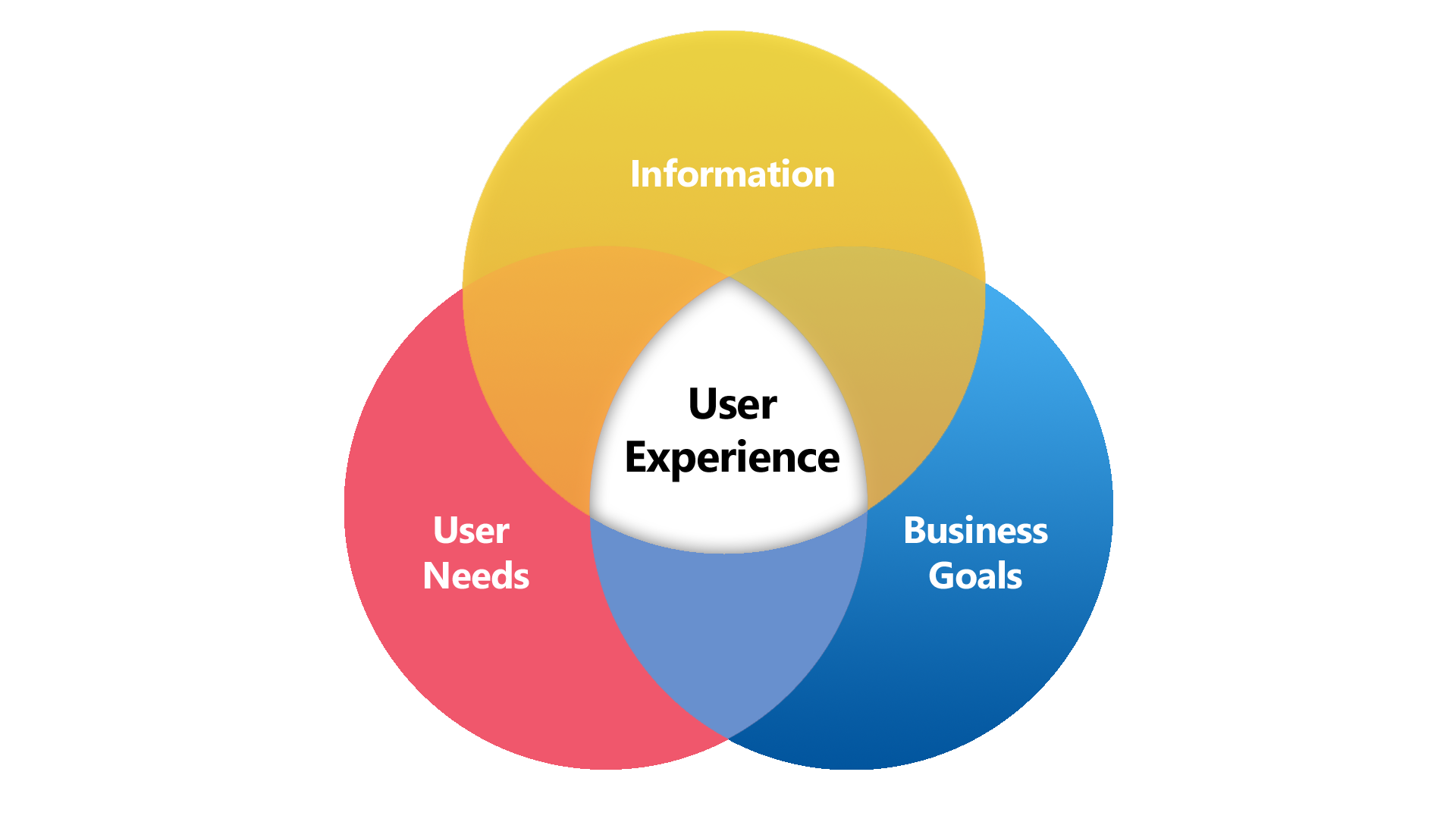
User experience is everything. It’s like the air we breathe—when it’s bad, it’s all you can think about. So, make sure your monetization efforts don’t suffocate your users.
Ensuring Smooth Navigation Despite Ads
Your users should be able to move around your site or app with ease, even with ads present. If they have to jump through hoops to find what they need, they’ll bounce faster than a rubber ball.

Measuring and Acting on User Feedback
And don’t forget to listen to your users. If they’re telling you there are too many ads or the ads are irrelevant, take that seriously. Adjust your strategy accordingly to keep them happy because a happy user is a returning user.
Use analytics to identify popular content and place ads accordingly.
Keep ad quantity reasonable—don’t let greed drive your users away.
Regularly seek user feedback on ad relevance and intrusiveness.
Now, let’s talk about the variety of ways you can bring in the dough.
Exploring Diverse Monetization Methods
Diversifying your revenue streams is like not putting all your eggs in one basket. It’s smart and it’s safe. There are several ways to monetize your content, and the trick is to pick the ones that resonate with your audience without making them feel like they’re just dollar signs to you. Check the Wealthy Affiliate Marketing Platform to learn more about online business and monetization

Pros and Cons of Different Revenue Models
Let’s compare a few models:
Advertising: It’s straightforward, but too many ads can annoy users.
Affiliate marketing: You can earn commission for promoting other products, but be careful not to lose trust by promoting just for the sake of it.
Subscriptions: This model provides steady income, but you need to consistently deliver value to keep subscribers.
Incorporating Affiliate Marketing Effectively
If you go the affiliate route, choose products that align with your content and your audience’s interests. It’s like recommending a good book to a friend—you do it because you think they’ll genuinely like it, not because you’ll get a cut from the bookstore.
Considering Membership and Subscription Services
Membership and subscription services are great for building a loyal community. Offer exclusive content or perks as part of the subscription.
Utilizing Data for Monetization Success

Data is your roadmap to monetization success. It shows you where you are, where you could go, and the best paths to take. Without it, you’re just wandering in the dark hoping to stumble upon treasure.
Tools for Tracking and Analyzing Performance
Use analytics tools to keep an eye on which monetization methods are working and which aren’t. These tools are like your treasure map, guiding you to the X that marks the spot.
Google Analytics for website traffic and user behavior
Facebook Pixel for tracking conversions from Facebook ads
Heat mapping tools to see where users click and how they scroll
But it’s not just about having the data. It’s about understanding what it’s telling you.
Reading and Interpreting Data to Guide Decisions
When you look at your data, ask yourself: What’s the story here? If users are leaving your site quickly, maybe they didn’t find what they were looking for—or maybe they were turned off by something. Use this information to tweak your monetization efforts.
Setting Realistic Monetization Goals
Setting goals is crucial, but they’ve got to be realistic. You wouldn’t expect a seed to grow into a tree overnight, right? The same goes for monetization—it takes time and the right conditions to see significant growth.
Defining Achievable Revenue Targets
Look at your current traffic and conversion rates to set attainable goals. If you’re just starting out, you might aim for a modest amount from affiliate sales or ad revenue. As you grow, you can adjust these targets.
For example, if you’re earning $100 a month from ads, a realistic goal might be to increase that by 20% in the next quarter. It’s specific, measurable, achievable, relevant, and time-bound—or SMART, for short.
Remember, it’s better to hit a series of smaller targets than to constantly miss a single, unrealistic one.
Balancing Long-Term Growth With Immediate Earnings
It’s tempting to go for quick wins, but the real prize is long-term growth. Think of your monetization efforts like a savings account—the more you invest in understanding your audience and delivering value, the more interest you’ll earn over time.
Avoiding the Pitfalls of Over-Expectation
Over-ambitious goals can lead to disappointment and burnout. Keep your expectations in check and celebrate the small victories along the way. They add up!
Optimizing for Mobile Users
With more and more people accessing content on their phones, if you’re not catering to mobile users, you’re missing out on a huge opportunity. Mobile optimization is no longer a nice-to-have—it’s a must.
Understanding Mobile User Behavior and Preferences
Mobile users often have different needs and behaviors than desktop users. They might be looking for quicker access to information or easier ways to make purchases on the go. Cater to these needs, and you’ll win their hearts (and wallets).
Mobile-Specific Monetization Strategies
Consider mobile-specific ads, in-app purchases, or even SMS marketing if it makes sense for your audience.
Monitoring the Competition
Remember, you’re not in this alone. There are others out there vying for the same audience’s attention and wallet. By observing what they do, you can learn what works and, just as importantly, what doesn’t. For more insights, consider reading about Common Pitfalls in App Monetization Strategies to better understand the competition’s challenges.
Comparative Analysis of Competitor Monetization
Review competitors’ monetization models and user feedback.
Analyze their pricing strategies and promotional tactics.
Look at how they integrate ads and other revenue streams.
Doing a deep dive into your competitors’ strategies can reveal gaps in their approach that you can capitalize on. It’s like finding an open lane in a race and speeding through it.
For example, if a competitor’s users complain about too many intrusive ads, you can focus on providing a cleaner, more user-friendly experience on your platform.
But it’s not just about capitalizing on their weaknesses. It’s also about learning from what they do well. If a competitor has a successful subscription model, analyze what makes it appealing and consider how you can apply similar principles to your offerings.
Learning From Competitors’ Successes and Failures
Success leaves clues. So does failure. By studying both, you can avoid the pitfalls that others have fallen into and emulate the strategies that have led to their successes.
Adjusting Your Strategy in Response to Market Changes
The digital landscape is always changing, and so should your monetization strategy. If you notice a shift in the market—like a new platform gaining popularity or a change in consumer spending habits—be ready to pivot.
For instance, if there’s a sudden surge in podcast popularity and you run a content-based site, consider adding a podcast to your monetization mix. This could open up new sponsorship opportunities and diversify your revenue streams.
Creating a Seamless Integration of Monetization
Your monetization strategy should be like a good referee in a sports game—it does its job effectively without becoming the center of attention. The goal is to integrate monetization so that it feels like a natural part of the user experience.
To achieve this, you need to understand your users deeply and craft your monetization methods around their behavior and preferences. It’s a delicate dance between making money and keeping your users happy.
Blending Revenue Streams Without Hampering UX
Here’s how you can blend different revenue streams:
Introduce non-intrusive native advertising that matches the look and feel of your content.
Offer premium features or content that adds value without taking away from the free experience.
Create partnerships with brands that resonate with your audience and offer them unique deals or content.
Finding the Balance: Revenue and User Retention
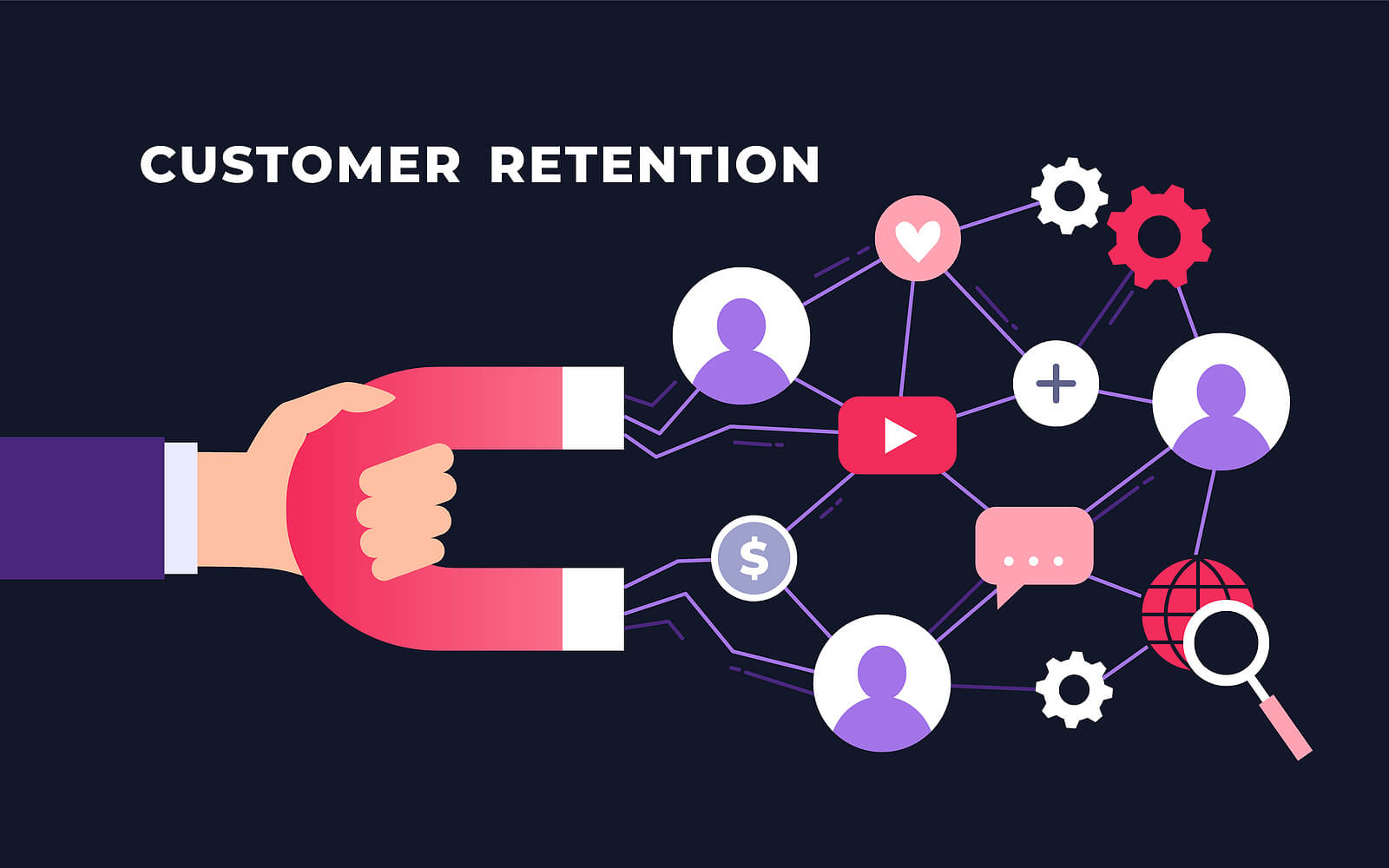
The sweet spot in monetization is where revenue goals and user satisfaction overlap. It’s important to remember that while monetization is essential for your business, user retention is the key to long-term success.
Consider offering tiered value propositions. For instance, you can provide basic content for free, more in-depth content for a fee, and personalized services for a premium. This way, users can choose how much they want to engage with your monetization efforts based on their needs and willingness to pay.
Staying Ahead of Monetization Trends
To stay ahead in the game, you need to keep your finger on the pulse of emerging trends. This means constantly educating yourself, experimenting with new strategies, and being willing to take calculated risks.
Keeping Up With Emerging Monetization Technologies
New technologies are always on the horizon, offering fresh ways to monetize. Stay informed about developments in areas like blockchain, AI-driven personalization, and interactive ads. These technologies could open up new avenues for revenue that align with your users’ evolving expectations.
For example, blockchain technology is enabling new forms of content monetization through microtransactions and tokenization, allowing creators to monetize individual pieces of content rather than relying solely on ads or subscriptions.
Adapting to Changes in Consumer Behavior
Consumer behavior is not static; it changes with societal trends, technological advancements, and personal preferences. Pay attention to these shifts and be ready to adapt your monetization strategy accordingly.
For instance, the rise of ad blockers has pushed many content creators to explore alternative revenue models like sponsored content, memberships, and merchandise sales.
Innovating Your Monetization for Sustainability
Finally, innovation is the lifeblood of any successful monetization strategy. It’s not just about what works today; it’s about what will continue to work tomorrow and beyond.
Always be testing, learning, and iterating. What works for one audience may not work for another, and what works now may not work in the future. Stay agile, stay curious, and stay focused on delivering value to your users.
In conclusion, avoiding monetization missteps is all about understanding your audience, enhancing user experience, exploring diverse revenue models, using data to guide your decisions, setting realistic goals, and staying ahead of trends. By following these insights, you can create a monetization strategy that not only generates revenue but also builds trust and loyalty with your users.


Leave a Reply