Key Takeaways
- Starting an Etsy shop is your gateway to connecting with buyers who love handmade items.
- High-quality listings with great photos and descriptions can set your Etsy shop apart.
- Optimizing your shop profile is crucial for making a strong first impression.
- Product photography is key – your items need to look irresistible in pictures.
- Success on Etsy is about creativity, smart marketing, and connecting with your customers. Read more about a total guide to start your business.
Quick Guide to Starting an Etsy Shop
First things first, let’s set up your shop. Go to Etsy’s homepage and click ‘Sell on Etsy’. Follow the prompts to open a new shop. Choose a memorable shop name that reflects your brand – something catchy, easy to spell, and unique. Then, it’s time to stock your shop. Add a few listings to start, ensuring each item has a descriptive title, a detailed description, and a fair price. Remember, your shop is like your own personal storefront, so let’s make it shine!
Tips for Optimizing Your Shop Profile
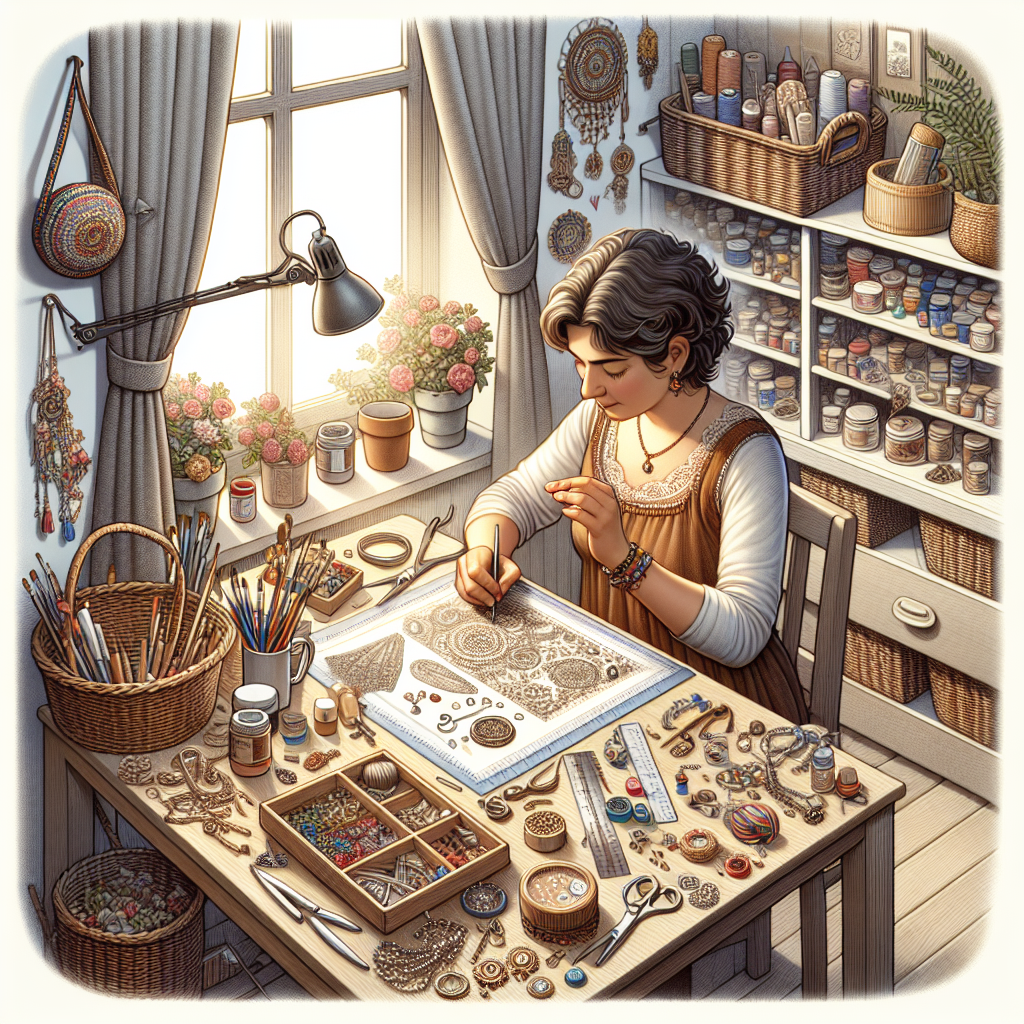
Your shop profile is like a handshake with potential buyers. It’s their first glimpse into who you are and what you create. To make a lasting impression, fill out every section of your profile. Tell your story in the ‘About’ section, explaining why you create and what inspires you. Upload a clear profile picture, preferably of you in your creative space. This personal touch can make all the difference. Lastly, make sure your shop policies are clear – this includes shipping, returns, and any custom order policies.
- Introduce yourself and your craft with passion and personality.
- Use high-quality images for your profile and banner that reflect your brand’s vibe.
- Be clear and thorough with your shop policies to build trust.
- Link to your social media to create a cohesive online presence.
- Encourage buyers to reach out with questions, fostering a friendly shop atmosphere.
Creating Standout Listings
Now that your shop is set up, it’s time to focus on your listings. These are the heart of your Etsy shop. Each listing should be crafted with care, showcasing your items in the best light possible. Use keywords in your titles and descriptions to help your items get found. Think like a buyer – what words would they use to search for your product? Be descriptive and highlight the unique features of your items. And don’t forget about the visuals; they’re just as important as the words.
Mastering Product Photography
They say a picture is worth a thousand words, and on Etsy, it’s worth even more – it’s worth sales. Your product photos should be bright, clear, and styled attractively. Use natural light to capture the true colors and details of your items. Take multiple shots from different angles to show off every aspect of your product. And remember, consistency is key. Use a similar style and background for all your photos to create a cohesive look for your shop. Great photos invite customers in and help them imagine your creations in their lives.
With these steps, you’re well on your way to creating an Etsy shop that stands out in the marketplace. Remember, success on Etsy is not just about making sales, but about creating an experience that customers will come back for again and again. Stay tuned for more tips on how to turn your Etsy shop into a thriving online business. Read more about TAO to learn the steps
Writing Descriptions That Sell
Think of your product descriptions as a personal conversation with your shopper. Start with a hook—a compelling first sentence that grabs attention. Then, describe the item as if the customer can’t see it. Include sizes, materials, and any unique features. Tell a story. Why is it special? How might it fit into the customer’s life? Use bullet points to break up text and highlight key details. And always, always include a call to action. Encourage them to make the purchase or reach out with questions.

- Start with an attention-grabbing opening sentence.
- Describe the item in detail, including the story behind it.
- Use bullet points for easy reading and to emphasize key points.
- Include care instructions, dimensions, and any customization options.
- End with a clear call to action, inviting the customer to buy or connect.
Pricing Your Items for Profit
Pricing can be tricky, but it’s essential for turning your craft into a profitable business. Calculate your costs, including materials, time, and overhead. Then add a profit margin. Don’t forget to factor in Etsy’s fees and shipping costs. Research what similar items are selling for and price competitively, but don’t undervalue your work. Remember, customers are willing to pay for quality and uniqueness. Consider offering discounts for multiple purchases or special promotions to encourage larger orders.
- Calculate all costs, including materials, time, and Etsy fees.
- Add a profit margin that reflects the value of your work.
- Research competitors’ pricing but don’t undervalue your products.
- Include shipping costs or offer free shipping to entice buyers.
- Use promotions or discounts strategically to increase sales volume.
Maximizing Your Visibility on Etsy
Your creations are ready, your shop looks great, but how do you get seen? Visibility on Etsy is all about understanding the platform and using it to your advantage. It’s about being where your customers are and making sure your products pop up when they search. Let’s dive into some strategies to boost your shop’s visibility and attract more customers. See Taking Action Online for a detailed pathway on this.
SEO Best Practices for Etsy
SEO, or search engine optimization, is how you get found on Etsy. Use keywords that buyers are searching for in your titles, tags, and descriptions. Think like a shopper—what words would you use to find your items? Use tools like EtsyRank or Marmalead to find popular keywords. And don’t forget to refresh your listings regularly. Etsy favors active shops, so keep your content fresh and up-to-date.
- Research and use relevant keywords in titles, tags, and descriptions.
- Utilize SEO tools to find trending keywords and phrases.
- Refresh your listings regularly to stay favored by Etsy’s algorithm.
- Use all 13 tags available in each listing for maximum visibility.
- Keep your shop active with new listings and updates to existing ones.
Leveraging Etsy Ads and Featured Listings
Etsy Ads can give your listings a boost, placing them right in front of potential buyers. Set a daily budget that you’re comfortable with and track your results. Featured listings are another way to stand out. Handpick your best items to showcase on your shop’s main page. These spots are prime real estate, so choose items that represent your best work and have a history of customer interest.
- Invest in Etsy Ads to increase the visibility of your listings.
- Set a daily budget for ads and monitor their performance.
- Feature your best-selling or most eye-catching items on your shop’s main page.
- Use analytics to understand which listings benefit most from advertising.
- Test different listings with ads to find what works best for your shop.
Marketing Strategies that Drive Sales
Having a fantastic product is just the start. You also need to get the word out. Marketing is about connecting with your audience and telling them why they need your product. Let’s look at some effective marketing strategies that can help you drive more sales to your Etsy shop.
Building Your Brand on Social Media
Social media is a powerful tool for building your brand and driving traffic to your Etsy shop. Choose platforms where your target audience hangs out, whether it’s Instagram, Pinterest, or Facebook. Share behind-the-scenes peeks, new product launches, and customer testimonials. Engage with your followers by responding to comments and messages. And don’t be shy about sharing your story—it’s what makes your brand unique and relatable.
- Choose social media platforms that align with your brand and audience.
- Share engaging content regularly, including behind-the-scenes looks and new products.
- Interact with followers to build a community around your brand.
- Use social media to tell your brand’s story and connect with customers on a personal level.
- Consider collaborating with influencers to reach a wider audience.
By implementing these strategies, you’ll not only increase your shop’s visibility but also create a strong brand presence that resonates with customers. Stay tuned for more tips on how to turn your passion into profit on Etsy.
Collaborating with Influencers and Bloggers
Teaming up with influencers and bloggers can catapult your Etsy shop into the spotlight. Find influencers who align with your brand and have an engaged audience. Reach out with a friendly message, offering to send them a sample of your work. If they love it, they might feature it to their followers. Bloggers can also be a gold mine for exposure. Offer to write a guest post or sponsor a giveaway on their site. These collaborations can drive traffic to your shop and introduce your products to a whole new audience.
- Identify influencers and bloggers whose audience matches your target demographic.
- Send a personalized message proposing a collaboration or product feature.
- Provide them with high-quality images and information about your products.
- Consider offering exclusive discounts for their followers to track the impact.
- Engage with the content they create for you to show appreciation and support.
Utilizing Email Marketing to Retain Customers
Email marketing is a powerful tool to keep your customers coming back. Start by building an email list. Include an opt-in on your Etsy shop and promote it on social media. Send out newsletters with updates, special offers, and insider peeks into your process. Make sure each email adds value to your customers’ inboxes. Personalize your messages to create a connection and encourage repeat business. Remember, it’s not just about selling; it’s about building relationships.
- Encourage customers to sign up for your newsletter with an opt-in incentive.
- Create engaging newsletters that offer real value to your subscribers.
- Personalize emails to make customers feel special and valued.
- Use email to announce new products, sales, and exclusive offers.
- Keep a consistent schedule to stay in touch without overwhelming your subscribers.
Expanding Beyond Etsy
While Etsy is a fantastic platform, don’t put all your eggs in one basket. Diversifying your online presence can help you reach more customers and grow your business. Consider other online marketplaces and even your own website. Let’s explore how you can expand your reach beyond Etsy and take your business to the next level.
Introducing Your Own E-Commerce Website
Having your own website gives you full control over your brand and customer experience. It’s easier than you think to set up an e-commerce site. Platforms like Shopify, WooCommerce, and Squarespace offer user-friendly tools to create a professional online store. Highlight your unique brand identity with a custom domain and design. Plus, you can implement advanced marketing strategies like SEO and retargeting ads to attract even more customers.
- Choose an e-commerce platform that suits your needs and skill level.
- Customize your website to reflect your brand’s personality and values.
- Implement SEO strategies to improve your site’s visibility on search engines.
- Use retargeting ads to bring previous visitors back to your site.
- Consider integrating a blog to share stories, updates, and engage with your audience.
Exploring Alternative Marketplaces
Other online marketplaces like Amazon Handmade, eBay, and Zibbet offer additional avenues to sell your products. Each platform has its own audience and benefits. Research to see where your items fit best and consider listing on multiple marketplaces to maximize your exposure. Just be sure to manage your inventory across all platforms to keep everything in sync.
- Research and compare different online marketplaces to find the best fit for your products.
- Understand the fees and policies of each platform before listing your items.
- Keep your branding consistent across all marketplaces for a cohesive look.
- Manage your inventory carefully to avoid overselling or stockouts.
- Monitor your sales and adjust your strategy based on which platforms perform best.
Maintaining Excellent Customer Service
Excellent customer service can set your Etsy shop apart. Respond promptly to inquiries and be polite, professional, and helpful. Go the extra mile by including a personalized thank-you note with orders or offering gift wrapping. Address any issues swiftly and fairly. Happy customers are more likely to return and recommend your shop to others, so always strive to exceed expectations.
- Respond to messages quickly and maintain a friendly, professional tone.
- Include personal touches with orders to make customers feel appreciated.
- Handle any issues or complaints promptly and with a positive attitude.
- Ask for feedback to improve your products and customer service.
- Encourage satisfied customers to leave a review to build your shop’s reputation.
Streamlining Your Order and Shipping Process
When orders start rolling in, a smooth process for handling and shipping them is vital. First, organize your workspace and keep your inventory easily accessible. Invest in quality shipping materials and consider printing shipping labels at home to save time. Set clear processing times on your listings and always aim to ship earlier if possible. Communication is key, so keep your customers updated at every step. Streamlining these processes means happier customers and more time for you to focus on creating.
- Organize your workspace for efficiency.
- Invest in shipping materials and a label printer.
- Set realistic processing times and strive to exceed them.
- Keep customers informed with shipping updates.
- Consider using Etsy’s shipping label service for convenience.
Scaling Up Your Etsy Business
Once you’ve laid the groundwork, it’s time to think bigger. Scaling up means expanding your product line, reaching new markets, and maybe even bringing in help. Start by analyzing what works—look at your bestsellers and customer feedback. From there, explore new product ideas or variations. Consider hiring part-time help for production or shipping. And always keep an eye on your shop’s analytics; they’re a goldmine for understanding your business and where it can grow.
Efficiently Managing Your Inventory
As your shop grows, keeping track of your inventory becomes more complex. Use inventory management tools or spreadsheets to stay organized. Monitor your stock levels closely to avoid selling items you don’t have. Regularly update your inventory based on sales trends. And don’t forget to plan for busy periods like holidays—stock up early to meet the increased demand without the stress.
- Use inventory management tools to keep track of stock.
- Update inventory regularly to reflect sales and restocks.
- Plan ahead for busy seasons to avoid last-minute rushes.
- Consider bulk purchasing materials for bestsellers to reduce costs.
- Keep a buffer stock for popular items to prevent sellouts.
Strategizing for Long-Term Growth
Long-term growth is about setting goals and making strategic decisions. Diversify your income by exploring wholesale opportunities or teaching workshops. Build a strong brand identity that customers recognize and trust. Invest in your skills with courses or new equipment. And don’t be afraid to pivot or adapt your business model based on market trends. Stay true to your craft, but be open to new avenues for growth and success.
- Set clear, measurable goals for your business’s growth.
- Explore different revenue streams related to your craft.
- Invest in branding to create a recognizable and trusted image.
- Keep learning and adapting to stay ahead in the market.
- Stay customer-focused to ensure your growth aligns with their needs.
Frequently Asked Questions
How Do I Determine the Best Price for My Etsy Items?
Setting the right price for your items is a balance between covering costs and remaining competitive. Calculate your material, labor, and overhead costs. Don’t forget to include Etsy’s fees and shipping. Then, research similar items to gauge the market rate. Your price should reflect the quality and uniqueness of your product. Remember, it’s not just about the lowest price—it’s about the value you provide to your customers.
What Are the Most Effective Ways to Increase Traffic to My Etsy Shop?
To drive more traffic to your Etsy shop, start with SEO. Use relevant keywords in your listings to improve search visibility. Engage with your community on social media and share content that links back to your shop. Consider running Etsy Ads for increased exposure. Collaborate with influencers or bloggers in your niche. And don’t underestimate the power of word-of-mouth—encourage happy customers to spread the word.
- Optimize your listings with strong SEO practices.
- Stay active and engaged on social media platforms.
- Invest in Etsy Ads for targeted visibility.
- Collaborate with influencers and bloggers to reach new audiences.
- Encourage customer reviews and referrals.
How Can I Convert Visitors into Repeat Buyers?
Turning a visitor into a repeat buyer is like planting a garden. You need to nurture the seeds you sow. Start by delivering an exceptional product paired with an unforgettable customer experience. Personal touches, such as a handwritten thank-you note or a small bonus item, can make a lasting impression. Follow up with customers after their purchase to ensure satisfaction and invite them to your email list for future updates. Implement a loyalty program or offer special discounts to returning customers. It’s these thoughtful details that keep customers coming back for more.
- Deliver top-notch quality products that exceed expectations.
- Add personal touches to each order to create a memorable experience.
- Follow up with customers to show you value their satisfaction.
- Invite customers to join your email list for exclusive updates and offers.
- Implement a loyalty program to reward repeat purchases.
Is It Necessary to Have a Blog or Website in Addition to My Etsy Shop?
While not necessary, having a blog or website in addition to your Etsy shop can be a game-changer. It’s a space you control entirely, where you can tell your brand’s story, showcase your full range of products, and share content that engages your audience. A blog can improve your SEO, driving more traffic to your shop. Plus, it’s a platform for establishing yourself as an expert in your craft. Think of it as your digital home base, a place where customers can connect with you on a deeper level.
- A blog or website can enhance your brand’s storytelling and visibility.
- Use it as a platform to share more in-depth content about your products and process.
- Improve your search engine rankings with SEO-rich blog content.
- Control the customer experience without platform limitations.
- Establish your expertise and build deeper connections with your audience.
What’s the Best Way to Balance Creativity with Business on Etsy?
Finding the sweet spot between creativity and business is key to thriving on Etsy. Dedicate time to both aspects. Set a schedule that allows for uninterrupted creative work, and then switch gears to focus on the business side. Use tools and apps to streamline tasks like accounting, inventory management, and marketing. Remember, creativity is at the heart of your business, but it’s the business strategies that will ensure your creative passion can flourish.
Now go forth, craft with heart, sell with smarts, and let every piece you make be a stepping stone to online income success. Your Etsy shop is more than a storefront; it’s a showcase of your passion. Keep that passion burning bright, and the success will follow.