
Key Takeaways
-
Identify dropshipping suppliers with a robust product selection and reliable shipping.
-
Quality control is essential – always order samples before committing to a supplier.
-
Understand shipping policies and costs, as they significantly impact customer satisfaction and your profit margins.
-
Ensure your supplier can scale with your business to avoid bottlenecks as you grow.
-
Open and effective communication with suppliers is crucial for resolving issues and maintaining a good partnership.
Why Supplier Selection Can Make or Break Your Business
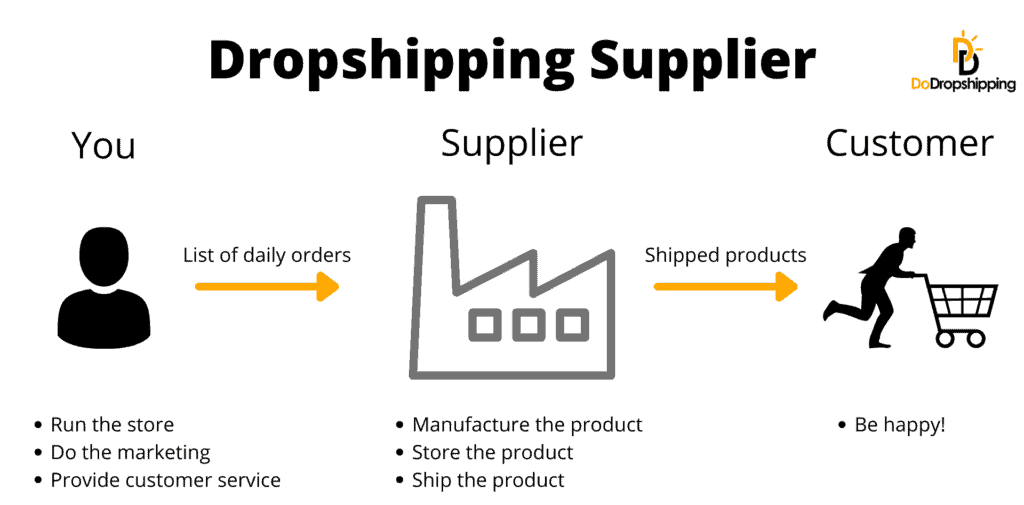
You’ve launched your online store, and orders are rolling in – exciting, right? But then, products arrive late, or worse, they don’t arrive at all. Customers are frustrated, and your reputation takes a hit. This scenario is all too common when the wrong supplier is in the picture. That’s why the supplier you choose is not just a vendor; they’re the backbone of your operations.
The Cornerstones of a Trustworthy Dropshipping Supplier
So, what makes a supplier stand out? They should tick these boxes: a diverse and high-quality product range, reliable and fast shipping options, competitive pricing, and the ability to scale with your growing business. But most importantly, they should communicate effectively and handle issues with the professionalism your business deserves.
Fact-finding Mission: Diving Deeper into Supplier Backgrounds
Once you have a list, it’s detective time. Research each supplier’s history, reputation, and reviews. A solid track record is a good indicator, but don’t stop there. Reach out to other businesses that have worked with them and ask for honest feedback.
Quality and Consistency: Sampling Before Selling
Never take product quality for granted. Order samples to check the quality firsthand. It’s a small investment that can save you from big headaches down the line. Remember, if you wouldn’t buy it, why would your customers?
It’s also smart to place a few test orders as if you were a customer. Evaluate how well they handle the fulfillment process – from packaging to delivery speed. This will give you a clear picture of what your customers will experience.
Champion Delivery
Getting your products to customers swiftly and safely is a cornerstone of e-commerce success. A supplier’s shipping efficiency can make the difference between a one-time buyer and a lifelong customer.

Speed or Savings: Assessing Shipping Policies
Shipping isn’t just about speed; it’s also about cost. Assess potential suppliers’ shipping policies, considering both the delivery times and the fees. Customers love free shipping, but if it’s not feasible, look for suppliers who offer reasonable rates without compromising on speed.
Local vs. Global
Location is a double-edged sword. Local suppliers can mean faster shipping and lower costs, but they may have a limited product range. On the other hand, global suppliers offer a vast selection but can come with longer shipping times and higher costs. Weigh these factors based on your target market’s expectations.
Price isn’t Everything, But it’s a Big Thing
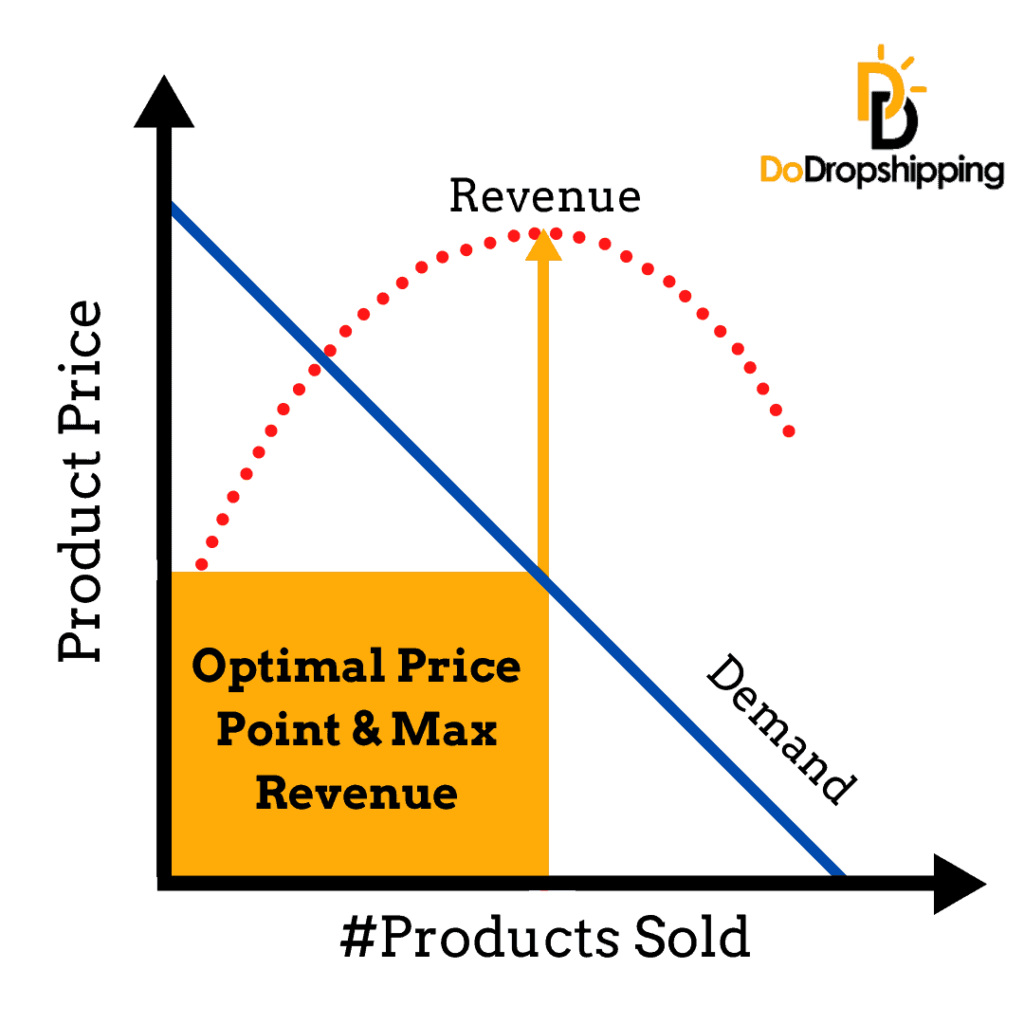
Price impacts your profit margins directly, so it’s a significant factor in supplier selection. However, don’t let a low price tag blind you to potential quality issues or poor service.
Upfront and Hidden Costs: What to Watch Out For
When evaluating suppliers, consider all costs involved. These can include shipping fees, handling charges, and any other additional costs that could eat into your margins. Transparency is key, so choose suppliers who are upfront about their pricing.
Margin Magic: How to Stay Profitable
To maintain healthy profit margins, you’ll need to calculate the landed cost of each product – that’s the total cost of a product once it has reached your customer. This includes the original price, shipping fees, customs, taxes, and any other charges. Knowing this figure will help you price your products competitively.
Scaling Your Business: Is Your Supplier up for the Challenge?
As your business grows, your supplier must be able to grow with you. You need a partner that can handle increased order volumes without sacrificing quality or efficiency.
If you need the tools of online marketing to scale up your dropshipping business, use the Wealthy Affiliate Platform with confidence

Growth Trajectory: Ensuring They Can Keep Up
Discuss your long-term goals with potential suppliers to ensure they can handle your growth. Can they increase their supply to meet your demand? It’s crucial to have a supplier who’s not just a provider but a partner in your business journey.
Thriving, Not Just Surviving: Strategic Supplier Scaling
Your supplier should not only be able to keep up with your growth but also actively contribute to it. They should offer insights into trends and help you optimize your inventory with data-driven suggestions.
The Importance of Open Lines
Ensure your supplier is easy to contact and responsive. You should have a dedicated point of contact who understands your business and can provide quick solutions when needed.
Responsiveness and resolution are the hallmarks of excellent customer service. If your supplier is quick to address issues and provide solutions, it’s a good sign they value your business and prioritize your satisfaction.
Responsiveness and Resolution: Handling Issues Effectively
Issues will arise – it’s a natural part of doing business. What matters is how your supplier handles these situations. They should be proactive in resolving problems and transparent in their communication.
Compatibility Between Systems
Efficient operations require compatible systems. Your supplier’s technology should integrate seamlessly with your e-commerce platform to streamline order processing and inventory management.
Integration and Automation: Streamlining Operations
Look for suppliers who offer integration tools that automate the dropshipping process. This could mean real-time inventory updates, automated order placement, and tracking information syncing directly with your online store.
Back-End Support: Ensuring Adequate Tech Assistance
When technology issues arise, having a supplier with a strong support system can make all the difference. They should offer technical assistance to ensure any glitches are resolved swiftly, minimizing any disruption to your business.
Crafting a Return Policy That Doesn’t Scare Customers Away
After the sale is where your customer service really shines. A solid return policy is your safety net, offering peace of mind to customers and enhancing their trust in your store. But it’s not just about having a policy; it’s about the support behind it. A great supplier will work with you to handle returns smoothly, keeping customers happy and your business running without a hitch.
Customer Service as Your Ally: What to Expect from Suppliers
When things go sideways, and they sometimes will, a supplier with stellar customer service is worth its weight in gold. They should not only be accessible but also empathetic and solution-oriented. The best suppliers understand that when your customer is facing an issue, it’s their issue too, and they act accordingly.
FAQs
What Are the Most Important Factors When Choosing a Dropshipping Supplier?
The most important factors include product quality, reliability, shipping speed and costs, scalability, communication, and technological compatibility. Always remember that a supplier should also align with your business values and goals.
How Do I Test a Supplier’s Product Quality Effectively?
Order samples! It’s the best way to experience what your customers will receive. Use the product, test it, and make sure it lives up to the promises. Also, consider ordering from a competitor who uses the same supplier to see how they handle packaging and shipping.
Can I Use Multiple Suppliers for My Dropshipping Store?
Using multiple suppliers can diversify your product offerings and mitigate risks. Integrate them carefully into your store, ensuring that their systems work well with yours and that you can manage the logistics without confusion.
How Should I Approach Negotiating Terms with Suppliers?
When entering negotiations with potential dropshipping suppliers, it’s crucial to come prepared with knowledge and strategies. Understanding the common beginner online earning mistakes and how to avoid them can provide valuable insights into the negotiation process, ensuring you establish terms that are beneficial for your e-commerce business.
What Are the Red Flags to Look Out for When Evaluating Suppliers?
When selecting a dropshipping supplier, it’s crucial to be aware of potential red flags. Some warning signs may include a lack of professional communication, negative reviews on independent platforms, or an absence of a solid track record. It’s essential to conduct thorough research and due diligence to ensure that your supplier is reliable and capable of supporting your business needs.


Leave a Reply