
Key Takeaways
Financial independence is about having enough wealth to live on without working.
Setting clear, specific financial goals is crucial for success on this journey.
Creating and sticking to a budget is a fundamental step towards financial freedom.
Investing wisely is essential for growing your wealth over the long term.
Passive income streams can significantly accelerate your path to financial independence.
Defining Financial Independence: More Than Just Money
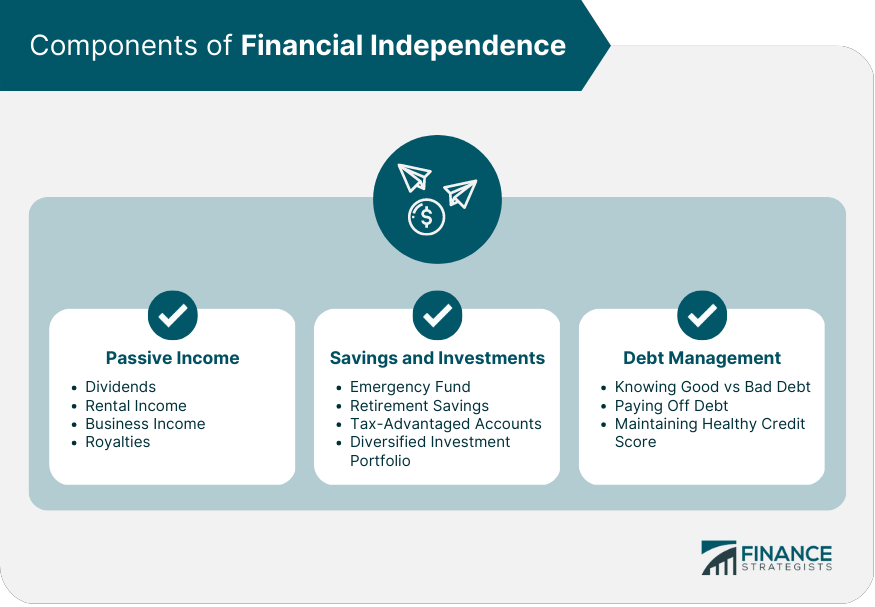
When we talk about financial independence, we’re talking about a state where you have enough income from your assets to cover your living expenses indefinitely. You’re no longer trading your time for money. Instead, your investments, savings, and passive income streams do the heavy lifting.
The Five Stages to Financial Freedom
Most people’s journey to financial freedom can be broken down into five stages:
Financial Dependence: This is where everyone starts. You might be relying on parents, a job, or loans.
Financial Solvency: You’re able to meet your financial commitments without assistance.
Financial Stability: You have some savings, you’re meeting your bills, and you’re not living paycheck to paycheck.
Debt Freedom: This stage is reached when you no longer have debt hanging over your head.
Financial Independence: You’ve accumulated enough wealth to cover your living expenses indefinitely.
How Early Can You Retire: The FIRE Movement
The FIRE (Financial Independence, Retire Early) movement is a lifestyle movement with the goal of gaining financial independence and retiring early. The model is simple: save and invest aggressively—usually 50–70% of your income—so you can retire sometime in your 30s or 40s.
Setting SMART Financial Targets
Setting goals is like creating a roadmap for your financial journey. SMART goals—specific, measurable, achievable, relevant, and time-bound—give you clear targets to aim for. For example, rather than saying ‘I want to save money’, a SMART goal would be ‘I want to save $10,000 for a down payment on a house in three years’.
Long-Term vs. Short-Term Financial Planning
Short-term financial planning might involve setting a budget for the month, while long-term planning could be saving for retirement. Both are important, but they require different approaches and strategies.
Mastering the Art of Budgeting
Creating Your First Budget: Step by Step
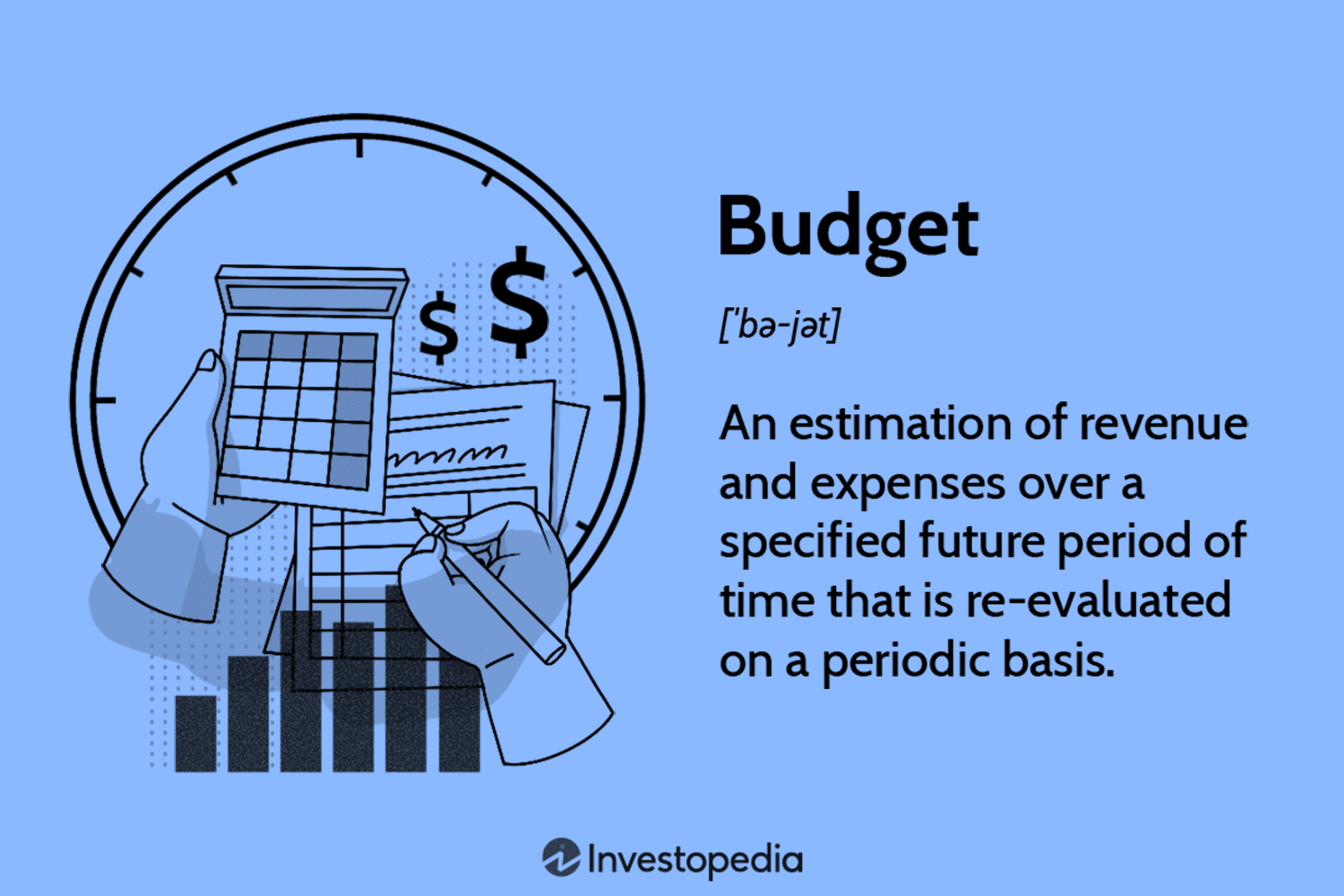
A budget is your financial blueprint; it shows where your money should go every month. Start by listing your income sources, then detail your necessary expenses like rent and groceries. Next, outline your discretionary spending and, most importantly, your savings goals.

Tracking and Reducing Expenses for Maximum Savings
Once you have a budget, track your spending to see where your money is actually going. You might find that you’re spending more than you thought on non-essentials. Cutting these expenses can boost your savings rate and speed up your journey to financial independence.
Investing Wisely for Long-Term Growth
Investing isn’t just for the wealthy; it’s a tool for anyone wanting to build a secure financial future.
To invest wisely, you need to understand your time horizon and risk tolerance. The longer you have to invest, the more risk you can typically afford to take, as you have more time to recover from any downturns in the market. Conversely, if your goal is near, you may want to choose safer investments to protect your principal.
Remember, investing is not about getting rich quick; it’s about steady growth over time. Compounding interest is the eighth wonder of the world, as it allows your investments to grow exponentially over the years. Reinvesting dividends and gains can significantly enhance your portfolio’s growth, so be patient and think long-term.
Understanding Different Investment Vehicles
There are numerous investment vehicles to consider, such as stocks, bonds, mutual funds, and exchange-traded funds (ETFs). Stocks can offer the highest returns but come with higher risk. Bonds are typically safer but offer lower returns. Mutual funds and ETFs allow you to diversify your investments, which can help manage risk.
Constructing a Balanced and Profitable Portfolio
A well-balanced portfolio should contain a mix of different investment types. This diversification can help protect your investments from market volatility. The key is to find the right balance that aligns with your financial goals and risk tolerance.
One popular rule of thumb is the ‘100 minus your age’ rule for stock allocation. If you’re 30 years old, for example, 70% of your portfolio could be invested in stocks, with the remaining 30% in bonds and other less volatile investments.
Risk Management: How Much Should You Actually Invest?
How much you should invest depends on your financial situation and goals. A common recommendation is to invest 15-20% of your income. However, if you’re aiming for early financial independence, you might need to invest more aggressively.
Always maintain an emergency fund before investing heavily. This fund should cover 3-6 months of living expenses and be easily accessible. It’s your financial safety net, protecting you from having to dip into your investments in case of unexpected expenses.
And don’t forget to pay off high-interest debt before investing. The interest on debt can often outweigh the returns from investments, making it a smart financial move to clear that debt first.
Exploring Passive Income Opportunities

Passive income is the holy grail of financial independence. It’s money that you earn with little to no effort on your part, and it can come from various sources. Passive income can supplement your investment income and help you reach financial independence faster.
Creating multiple streams of passive income can also reduce your reliance on any single source of income, providing additional financial security. Now, let’s look at a few passive income opportunities.
Real Estate Rentals: Cash Flow Essentials
Real estate can be a lucrative source of passive income, especially if you invest in rental properties. The key is to find properties that will generate positive cash flow—where the rental income exceeds the mortgage payments, maintenance costs, and other expenses. For more insights, check out these strategies to start an online business, which can complement your real estate investment approach.
Real estate investments also come with tax advantages, like depreciation and mortgage interest deductions, which can make them even more attractive. However, being a landlord isn’t completely hands-off; it requires due diligence in property selection and management.
Online Business Ventures: What You Need to Know
The internet has opened up a world of opportunities for creating passive income. Online businesses can range from starting a blog to dropshipping, affiliate marketing, or creating digital products. The start-up costs can be low, but these ventures often require a significant amount of upfront work before they begin generating passive income.
You need to know how to use online marketing, build a website and do SEO(search engine optimization). It is recommended to use a Marketing Platform like Wealthy Affiliate to learn and apply those with available support

It’s important to choose an online business that aligns with your interests and skills. This will make the initial effort more enjoyable and sustainable over the long haul. Once established, these businesses can generate income around the clock, even while you sleep.
Stock Dividends: A Reliable Income Source?
Dividend-paying stocks can provide a steady stream of passive income. Companies that pay dividends are typically well-established and financially stable, which can make them less volatile than non-dividend-paying stocks.
By reinvesting the dividends you receive, you can take advantage of compounding growth. Over time, the dividend payments can become a significant source of income, contributing to your financial independence.
Leveraging Financial Tools and Education
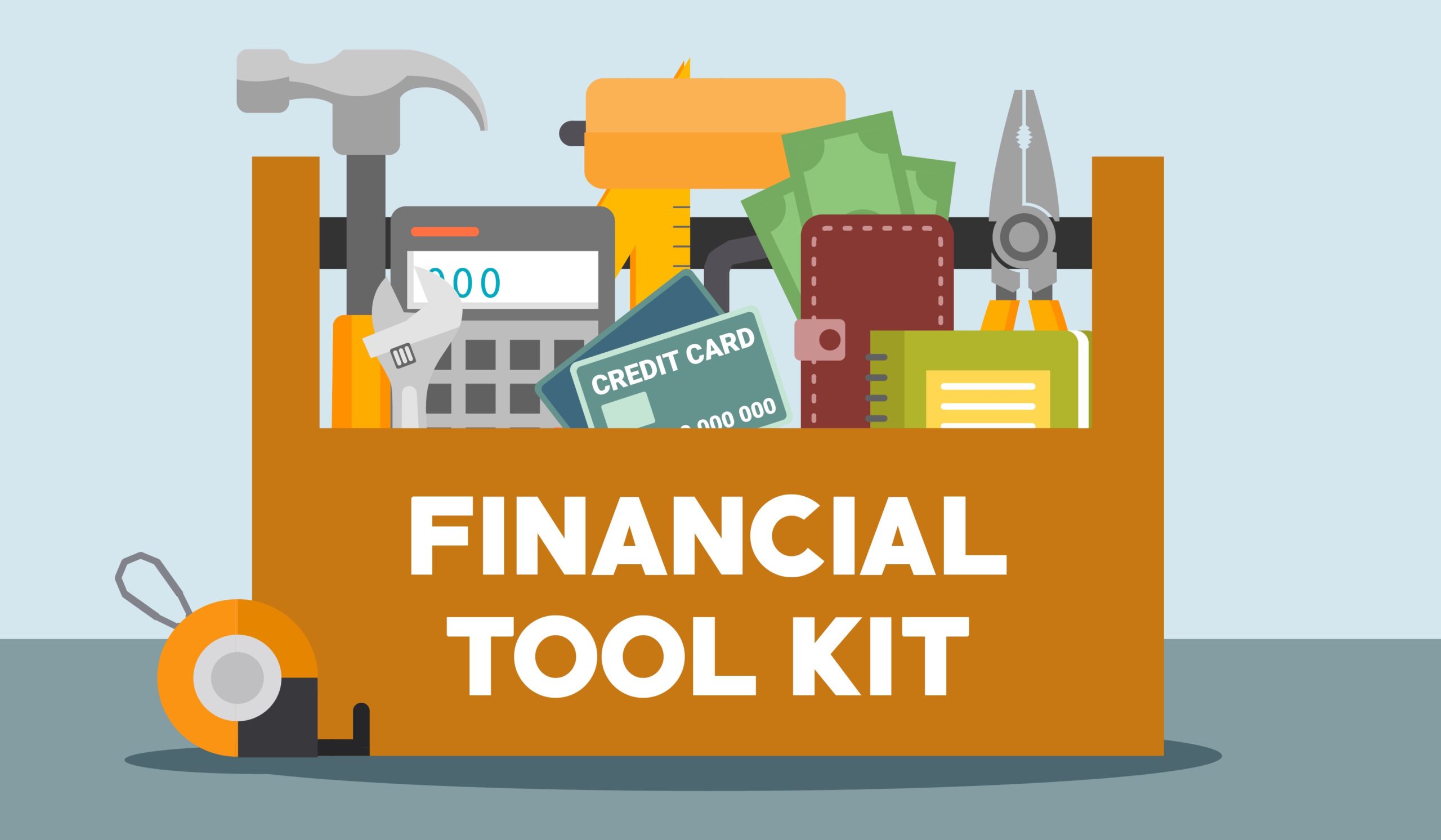
There’s a wealth of financial tools and educational resources available that can help you on your journey to financial independence. These resources can provide guidance, track your progress, and keep you informed about financial strategies and market trends.
Most importantly, staying educated and utilizing the right tools can empower you to make informed decisions about your money. Let’s delve into some of these resources.
Building a Support Network: Finding Like-Minded Individuals
One of the most valuable resources on your journey to financial independence is a strong support network. This can include mentors, financial advisors, and peers who are also pursuing financial freedom.
Customizing Strategies to Fit Your Lifestyle
Each of us has a unique lifestyle, which means a one-size-fits-all approach to financial independence doesn’t exist. You need to tailor your financial strategies to fit your life.
Adapting your financial plan to your personal interests not only makes the journey more enjoyable but also sustainable in the long run. It’s about making smart choices that align with your values and lifestyle preferences.
Remember, your financial plan should evolve as your life does. Regularly review and adjust your strategy to reflect changes in your income, expenses, and life circumstances. This ensures that your plan remains relevant and effective.
Pitfalls to Avoid on the Road to Financial Independence
While the road to financial independence is exciting, there are common pitfalls you’ll want to avoid. One major trap is lifestyle inflation, where you increase your spending as your income rises. It’s tempting to upgrade your life with every raise, but this can severely hinder your ability to save and invest for the future.
Adjusting Your Plan: Dealing with Life’s Financial Curveballs
Life is unpredictable, and your financial plan must be flexible enough to accommodate unexpected changes. Job loss, medical emergencies, or family obligations can all throw a wrench into the best-laid plans.
Build an emergency fund to cover at least 3-6 months of living expenses.
Review and update your financial plan at least once a year or after any significant life event.
Stay informed about changes in tax laws, investment opportunities, and economic trends that could impact your finances.
When these curveballs come your way, don’t panic. Assess the situation, make the necessary adjustments to your budget and plan, and keep moving forward. Resilience is a critical component of financial independence.
Financial Independence: A Journey, Not a Destination
Financial independence is not a final destination; it’s an ongoing journey. It’s about creating a life that brings you joy and fulfillment, both now and in the future. It’s a path that encourages personal growth, learning, and resilience.
The Role of Resilience in Achieving Financial Goals
Resilience is perhaps the most important quality on your financial independence journey. It’s the ability to bounce back from setbacks and keep moving forward. Building resilience involves creating a solid financial foundation, staying focused on your goals, and maintaining a positive outlook, even in the face of adversity.
FAQs
What Is the Average Time It Takes to Achieve Financial Independence?
The time it takes to achieve financial independence varies widely depending on your income, expenses, savings rate, and investment returns. Some achieve it in as little as 10 years through aggressive saving and investing, while for others, it might take several decades. The key is to start as early as possible and be consistent with your savings and investment efforts.
Can I Achieve Financial Independence with Debt?
Debt can be a significant barrier to financial independence, but it’s not insurmountable. Focus on paying off high-interest debt first, such as credit card balances, as this will free up more money to save and invest. You can still achieve financial independence with debt like a mortgage or student loans, as long as you have a plan to manage it effectively.
What Are the Best Tools to Track Financial Growth?
There are many tools available to help you track your financial growth. Budgeting apps like Mint or YNAB can help you manage your spending, while investment platforms like Personal Capital or Betterment provide a clear view of your portfolio’s performance. Choose tools that fit your needs and make it easy to stay on top of your finances.
How Do I Balance Enjoying Life Now with Saving for the Future?
Finding a balance between living in the present and preparing for the future is crucial. Set aside a portion of your income for fun and enjoyment—it’s important to celebrate life’s moments. At the same time, be disciplined with your savings and investments. Remember, financial independence is about creating a life you love, both today and tomorrow.
By following these strategies and staying committed to your goals, you’ll be well on your way to financial independence. It’s a journey worth embarking on, and the freedom it brings is the ultimate reward.


Leave a Reply