
Key Takeaways: Earning and Strategies for Dropshipping Success
-
Understand the real process and potential earnings from dropshipping.
-
Discover how to choose a profitable niche for your dropshipping business.
-
Learn the importance of finding reliable suppliers and negotiating effectively.
-
Get to know the essentials of setting up an engaging e-commerce website.
-
Gain insight into marketing strategies that drive traffic and sales.
Demystifying Dropshipping: A Path to Financial Empowerment
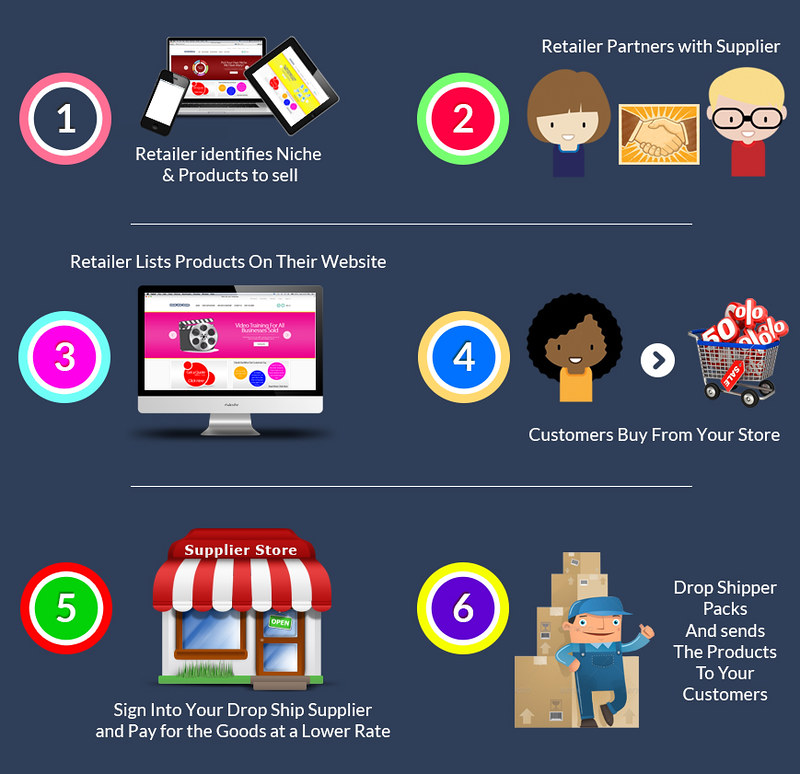
Imagine waking up to notifications of sales that happened while you were sleeping. That’s the dream of passive income through dropshipping. But let’s clear the air first: dropshipping isn’t a magic money-making machine. It’s a business model where you sell products without holding inventory. When someone buys from your online store, the order is sent to the supplier, who ships it directly to the customer. You pocket the difference between the sale price and the supplier’s price.
Now, don’t think it’s all smooth sailing. It requires upfront work, smart decisions, and ongoing attention. But the beauty is, once you set it up correctly, dropshipping can indeed become a source of passive income. You’re leveraging the power of the internet to sell around the clock, even when you’re not actively working. That’s financial empowerment right there.
What Dropshipping Really Involves
Dropshipping involves a few key steps: first, you’ll need to decide what to sell. Then, you’ll set up an online store, list your products, and market them to the right audience. When orders come in, your supplier will handle the shipping. But you’re in charge of customer service and making sure everything runs smoothly.
It sounds straightforward, but each step requires careful thought and execution. You’ll need to understand your customers, manage your online presence, and keep up with the market trends. And most importantly, you need to ensure that the products you offer solve real problems or fulfill genuine desires for your customers.
Understanding the Earnings Potential
Dropshipping can be quite profitable, but earnings vary widely. Some dropshippers make a few hundred dollars a month, while others rake in thousands. It usually depends on the products you choose, the effectiveness of your marketing, and the efficiency of your operations. In dropshipping, the sky’s the limit, but reaching the stars requires a solid strategy and hard work.

Choosing Your Battlefield: Selecting a Niche
Choosing the right niche is like picking the right battlefield. You want to be where you can win. It should be a market segment that you’re interested in, that’s profitable, and that isn’t saturated with competition.
The Importance of Niche Selection
Selecting a niche is crucial because it determines who you’re selling to and what you’re selling. A well-chosen niche helps you stand out and attracts the right customers. It’s the foundation upon which your dropshipping empire will be built. For a complete Affiliate Platform teaching you how to choose your Niche, create your Website, SEO: Click below

But don’t just jump on any bandwagon. You’ll want to pick a niche that you’re passionate about because when you care about your products, it shows. And that passion can be contagious, spreading to your customers and making them more likely to buy from you.
Researching and Identifying Profitable Niches
So, how do you find these golden niches? Start by brainstorming areas you’re passionate about. Then, do some digging. Use tools like Google Trends, social media, and e-commerce platforms to see what’s in demand. Look for a balance between popularity and saturation. You want a niche that has enough interest to drive sales but isn’t so popular that you’re drowning in a sea of competitors.
For example, let’s say you’re into eco-friendly living. You might notice that reusable straws are trending, but there are already a ton of sellers. Digging deeper, you find that biodegradable phone cases aren’t as common, but people are searching for them. That could be a niche worth exploring.
Remember, the key is to be specific. “Pet supplies” is too broad. “Eco-friendly dog toys” is more like it. You’re not trying to sell to everyone. You’re targeting a specific group of customers who will be thrilled to find products that feel made just for them.
Product Sourcing and Supplier Negotiations
Finding the right suppliers is like picking teammates for a relay race – they need to be fast, reliable, and in it for the long haul. Your suppliers are your business partners. They’re the ones who will make sure your products are high quality and get to your customers on time.
Finding Reliable Suppliers
The best places to look for suppliers are online directories like Alibaba or AliExpress, or dropshipping marketplaces like Oberlo or SaleHoo. When you find potential suppliers, check their reviews and ratings. Look for those who have a history of reliable shipping and high-quality products. It’s also smart to order samples for yourself to ensure the quality meets your standards.
Strategies for Effective Supplier Negotiation
When you start talking to suppliers, be clear about what you’re looking for. Let them know you’re serious about a long-term business relationship. Here are a few negotiation tips:
-
Order in bulk if you can, as it often leads to discounts.
-
Ask for faster shipping options – customers love quick delivery!
-
Don’t be afraid to walk away if a supplier won’t meet your needs. There are plenty out there who will.
The Digital Storefront: Setting Up Your Online Shop
Your online store is your digital storefront. It’s where customers will come to shop, so it has to be inviting, easy to navigate, and trustworthy. Picking the right e-commerce platform is like choosing the location for a brick-and-mortar shop. You want a spot that’s visible, accessible, and in an area that attracts your target customers.
Choosing the Right E-commerce Platform
There are several e-commerce platforms to choose from, like Shopify, WooCommerce, or BigCommerce. Shopify is a popular choice because it’s user-friendly and has lots of dropshipping apps. WooCommerce works with WordPress and is great if you want more control over your store’s design. BigCommerce is another strong option, especially for larger stores that need more advanced features.
Designing a User-Friendly Website
Once you’ve chosen your platform, it’s time to design your website. Keep it simple. Use clear categories for your products and make sure the checkout process is easy. High-quality images and detailed product descriptions are a must. They help the customer feel confident about their purchase.
Tools for Store Automation
Automation tools are your best friends in the dropshipping business. They can handle repetitive tasks like order processing, inventory tracking, and email campaigns. This frees up your time to focus on growing your business. Look for tools that integrate well with your e-commerce platform and can scale with your business.
Maximizing Visibility: Marketing Your Dropshipping Business
Now that your store is set up, you need to get people to visit. That’s where marketing comes in. It’s like putting up signs that lead to your shop. The better your signs, the more people come in, and the more sales you make.
Developing a Strong SEO Strategy
SEO, or search engine optimization, is all about getting your store to show up on Google when people search for your products. Use relevant keywords in your product titles and descriptions. Write blog posts about topics related to your niche. And make sure your website loads quickly – Google loves that.
Remember, SEO takes time. It’s not an overnight success, but when it kicks in, it can bring a steady stream of customers without the need for constant advertising.
Leverage Social Media Effectively
Social media is like the town square where everyone hangs out. Platforms like Instagram, Facebook, and Pinterest are great places to showcase your products and connect with customers. Share engaging content, run contests, and use targeted ads to reach your ideal audience.
-
Post regularly to keep your audience engaged.
-
Use high-quality images and videos that show off your products.
-
Engage with your followers by responding to comments and messages.
And don’t forget influencers. A shoutout from someone with a lot of followers can give your business a big boost.
Using Paid Advertising Wisely
Paid advertising is like a megaphone. It helps you reach a larger audience more quickly. Google Ads and Facebook Ads are popular choices. But don’t just throw money at ads. Be strategic. Target your ads to the people most likely to buy from you. And always track your results so you know what’s working and what’s not.
Customer Satisfaction: The Key to Repeat Business
Happy customers are the best marketing tool you have. They’ll come back for more and tell their friends about you. That’s why customer satisfaction is so important.
Providing Stellar Customer Service
Great customer service starts with being available. Have a clear return policy and make it easy for customers to get in touch if they have questions or problems. Quick responses make customers feel valued and build trust in your brand.
Also, handle any issues quickly and professionally. A customer who had a problem that you solved can become even more loyal than one who never had a problem at all.
Creating a Memorable Brand Experience
Creating a brand experience is about more than just selling products. It’s about creating a feeling that sticks with customers. Use consistent branding across all your platforms. Package your products nicely. And maybe even include a personal thank you note. Small touches can make a big difference.
The Art of Multitasking: Operating Multiple Stores
Once you’ve got one store running smoothly, you might be tempted to start another. And why not? Multiple stores mean multiple streams of income.
Benefits of Running Multiple Dropshipping Stores
Having multiple stores allows you to tap into different niches and customer bases. It spreads your risk – if one store has a slow period, the others can pick up the slack. But it’s not just about quantity. Each store should be a quality project that serves a specific purpose.
Managing multiple stores takes organization and time management. Use the same automation tools to handle the day-to-day tasks. And keep a close eye on your analytics. You need to know what’s working for each store so you can replicate that success.
The Art of Multitasking: Operating Multiple Stores
As you gain confidence and success in your dropshipping endeavors, you might consider the prospect of scaling up. Operating multiple stores is like juggling; it requires skill, timing, and the ability to keep your eye on several balls at once. But why stop at one successful online store when you can replicate that success across multiple niches?
However, multitasking in the dropshipping world isn’t just about doing more; it’s about doing more efficiently. It’s about creating systems and using tools that allow you to manage several stores without doubling your workload. With careful planning and strategic action, you can expand your dropshipping portfolio and, in turn, your streams of income.
Benefits of Running Multiple Dropshipping Stores
There are several advantages to running more than one dropshipping store:
-
Diversification: Just like with investing, having your eggs in different baskets can reduce risk. If one market dips, another might thrive, balancing your overall income.
-
Broader Reach: Each store can target a different audience, giving you a wider customer base.
-
Increased Learning: You’ll gain insights from each market that can inform strategies across all your stores.
Example: Sarah started with a single store selling eco-friendly beauty products. Once she established a successful model, she replicated her approach to launch a second store focused on sustainable home goods. This not only doubled her potential income but also allowed her to cross-promote products between stores.
But, managing multiple stores requires a disciplined approach. You’ll need to stay organized and keep a tight schedule to ensure all your stores receive the attention they deserve.
Managing Multiple Stores Without Overwhelm
To run multiple stores without getting overwhelmed, you need to streamline your operations:
-
Automate: Use automation tools for tasks like order processing, inventory management, and customer service responses.
-
Delegate: As you grow, consider hiring virtual assistants to handle routine tasks across your stores.
-
Consolidate: Look for ways to consolidate tasks. For example, schedule social media posts for all your stores at the same time.
With these strategies, you can effectively manage multiple dropshipping stores and continue to grow your business without sacrificing your sanity or personal time.
FAQs: Your Dropshipping Success Questions Answered
You’ve got questions, and I’ve got answers. Let’s tackle some of the most common queries about dropshipping and clear up any doubts you might have.
How Much Start-Up Capital Is Needed for Dropshipping?
One of the appeals of dropshipping is the relatively low entry barrier in terms of finances. Typically, you can start a dropshipping store with as little as $100 to $500. This budget would cover the cost of setting up your website, purchasing a domain, and getting started with basic marketing efforts. Keep in mind, the more you can invest in marketing, the faster you can potentially grow your sales.
How Long Does It Take to See Profit from Dropshipping?
Patience is key. It might take a few months to turn a profit, as you’ll need time to refine your marketing strategy and establish a customer base. Some entrepreneurs see profits within the first month, but it’s more common to expect a profit within three to six months. Consistent effort and smart strategy are your best allies here.
Is Dropshipping Still Profitable in 2024?
Yes, dropshipping can still be profitable in 2024 and beyond. E-commerce continues to grow, and with the right approach, there’s plenty of room for new dropshipping businesses. However, profitability hinges on your ability to find a unique niche, source quality products, and market effectively.
How Do I Handle Returns and Refunds in Dropshipping?
Dealing with returns and refunds is part of doing business. To manage this smoothly, it’s important to have a clear returns policy in place.
-
Set clear return and refund policies on your website.
-
Communicate with your suppliers to understand their return processes.
-
Consider offering store credit to save on return shipping costs and keep the customer engaged with your brand.
Remember, a well-handled return can turn a dissatisfied customer into a loyal one.
Can I Dropship Products Internationally?
Dropshipping internationally opens up a world of opportunity, quite literally. However, you’ll need to be mindful of:
-
Shipping times and costs, as these can vary greatly.
-
Customs regulations and import taxes for different countries.
-
Language barriers and currency conversions on your website.
With careful planning and a global outlook, you can successfully navigate international dropshipping and significantly expand your market reach.
Embarking on a dropshipping venture can lead to financial freedom and entrepreneurial success. By understanding the strategies and principles outlined here, you’re well on your way to building a business that can provide a substantial and sustainable passive income. Go forth, take action, and watch as your dropshipping empire flourishes.


Leave a Reply