

Passive income provides potential financial security with minimal daily effort.
Real estate and dividend stocks are popular passive income strategies.
Starting small and diversifying are key for successful passive income.
Understanding the risks and setting realistic expectations is crucial.
Passive income can complement active income, but it requires strategic planning.
Defining Passive Income
Passive income is money you earn in a way that requires little to no daily effort to maintain. It’s not about getting something for nothing. Instead, it involves front-loading the work or investment and reaping the benefits over time. Think of it like planting a garden. You do the hard work upfront, but once the seeds are sown, you sit back and watch the plants grow, harvesting the fruits of your labor without much additional effort.
Identifying Reliable Passive Income Streams
Now, let’s talk about where this magical money comes from. There are a bunch of ways to earn passive income, but they’re not all created equal. Some of the most reliable streams include:
Rental income from property investments
Dividends from stocks or mutual funds
Interest from savings accounts or bonds
Royalties from creative work like books or music
Setting Realistic Expectations
Building a solid passive income stream takes time, effort, and often an initial financial investment. It’s more about financial endurance than speed. You’re running a marathon, not a sprint.
Why Passive Income Can Be a Game Changer
It can provide a cushion of financial security, acting as a safety net.
Passive income can free up your time, allowing you to focus on what you love.
It can reduce stress by providing an additional source of income.
Passive income is about creating opportunities to make your money work for you. It’s about leveraging resources, be it time, money, or knowledge, to create a steady stream of income without the need for constant, active work. It’s the financial equivalent of putting your feet up while still moving forward.
The Freedom of Time
One of the most compelling reasons to pursue passive income is the freedom it can provide. Imagine having the time to pursue your passions, spend with your family, or travel the world. With passive income, your time is no longer directly tied to your earning potential. You break free from the conventional work-income equation and open up a world of possibilities.
Building Financial Security
Another massive benefit of passive income is the potential for financial security. By creating multiple streams of income, you’re not putting all your eggs in one basket. This diversification can help cushion the blow if one income stream dries up, ensuring you’re not left scrambling to make ends meet.

Reducing Financial Stress
Worrying about money can be a huge stressor. Passive income can provide a buffer that reduces financial stress. Knowing that you have a steady stream of income, separate from your day job, can provide peace of mind and stability.
The Flip Side: Challenges of Passive Income
However, passive income isn’t all sunshine and rainbows. It comes with its own set of challenges that you need to be aware of.
Understanding the Risks Involved
First, let’s talk about risk. Every investment carries some level of risk, and passive income strategies are no exception. Whether it’s fluctuations in the real estate market or changes in dividend payouts, there’s always the possibility that your income stream could decrease or even dry up entirely.
Research the risks associated with each passive income stream you’re considering and decide whether you’re comfortable with them. Remember, higher potential returns usually come with higher risks.
Addressing Common Misconceptions
Many people believe that passive income is a way to make money without any effort. That’s a myth. The truth is, most passive income streams require significant effort upfront.
Calculating Investment vs. Return
When considering a passive income strategy, you need to weigh the initial investment against the potential return. This could be a financial investment, like buying property, or a time investment, like building a blog. Here are some points to consider:
How much money do you need to start?
How much time will it take to see a return on your investment?
What ongoing efforts are required to maintain the income stream?
Understanding these factors will help you make an informed decision about whether a particular passive income stream is right for you.
Investing in Dividend Stocks
Dividend stocks can be a fantastic way to earn passive income. When you buy shares in a company, you’re essentially becoming a part-owner of that company. If the company does well and decides to distribute profits to shareholders, you’ll receive dividends—typically on a quarterly basis.
But it’s not as simple as throwing your money at any stock with a dividend. You’ll want to look for companies with a strong track record of paying and increasing dividends.
Investing in dividend stocks does come with risks, like any investment. The stock market can be volatile, and companies can cut or eliminate dividends if they hit hard times. That’s why it’s crucial to do your research or consult with a financial advisor.
Research companies with a strong history of dividend payments.
Consider the overall health and future outlook of the company.
Understand that stock market volatility can affect your investment.
Remember, dividend stocks should be just one part of a diversified investment portfolio. Don’t put all your eggs in one basket.
Creating Digital Products
In the digital age, creating and selling digital products has become an increasingly popular way to earn passive income. These can include e-books, online courses, stock photography, or software. The beauty of digital products is that you create them once and can sell them over and over again, with no inventory to worry about. You have to learn how to start your online venture and it is better if you use a marketing platform like Taking Action Online to avoid costly mistakes, specially if you are a beginner in this field
Creating a successful digital product requires understanding what your audience needs and is willing to pay for. It also involves some upfront effort to create the product and set up a system for marketing and sales. But once that’s in place, your product can generate income with little ongoing work.
Exploring Real Estate Opportunities
Real estate has long been a favorite for those looking to build wealth through passive income. The idea is simple: You buy property and rent it out to tenants, who pay you rent every month. Over time, the property may also appreciate in value, giving you the opportunity to sell it for a profit down the line.
However, being a landlord isn’t for everyone. It requires a significant upfront investment, and managing properties can be time-consuming.
Automated Businesses and You
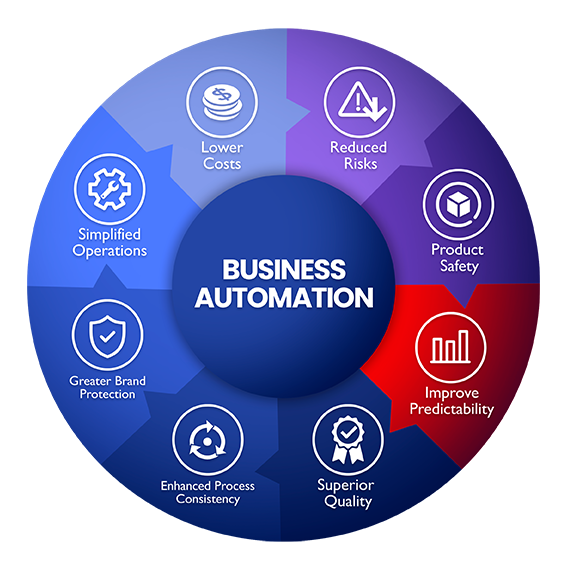
Automation has opened up new avenues for generating passive income. By setting up systems that run themselves, you can earn money with minimal ongoing effort. Let’s explore some businesses that take advantage of automation.
Identify tasks in your business that can be automated.
Use software and tools to manage repetitive tasks efficiently.
Stay updated on new technologies that can further optimize your business.
While the setup might take some time and technical know-how, the payoff can be well worth it.
Dropshipping: Selling Without Inventory
Dropshipping is a retail fulfillment method where a store doesn’t keep the products it sells in stock. Instead, when a store sells a product, it purchases the item from a third party and has it shipped directly to the customer. As a result, the seller doesn’t have to handle the product directly.
This business model has gained popularity due to its low entry barrier and reduced overhead costs. However, it’s not without challenges. You’ll need to find reliable suppliers, maintain a website, and handle customer service issues that arise.
The Power of Affiliate Marketing
Affiliate marketing is where you promote other people’s products and earn a commission for each sale or lead you generate. It’s a great way to earn passive income because once you’ve set up your promotional channels—like a blog, social media account, or email list—the income can come in with little additional effort. Again, to learn affiliate marketing, use the marketing platform Taking Action Online and follow the path faithfully
But like any business, it requires strategic planning and execution. You need to understand your audience, what they’re interested in, and how best to communicate with them. And, of course, you need to find quality products to promote that you believe in and that align with your brand.
Passive income has the power to transform your financial future, offering a stream of income that doesn’t require your constant attention. By exploring these strategies and understanding their pros and cons, you can start building a more secure and flexible financial life.
Creating content can be a lucrative way to generate passive income, but it’s important to understand that it’s not an overnight success story. It requires consistency, quality, and engagement with your audience. Let’s look at some of the most popular content creation strategies.
Monetizing a Blog
Blogging is a fantastic way to share your knowledge or passion with the world while earning passive income. By creating valuable content and driving traffic to your site, you can monetize your blog through advertising, affiliate marketing, or selling digital products. The key is to provide content that is so valuable that people keep coming back for more.
Generating Revenue Through YouTube
YouTube is another powerful platform for passive income. By creating engaging videos and growing your subscriber base, you can earn money from ad revenue, sponsorships, and even by selling merchandise. Remember, the content should resonate with your audience and provide value, whether it’s entertainment, information, or both.
Diversification Strategies
Don’t put all your eggs in one basket. Diversification is key to reducing risk and ensuring a steady income flow. If one stream starts to falter, you have others to pick up the slack. This might mean investing in different types of assets or starting various businesses.
Here are some diversification strategies:
Spread your investments across different asset classes.
Consider a mix of high-risk and low-risk income streams.
Stay informed about new passive income opportunities.
When to Scale Up or Step Back
If a passive income stream is doing well, consider ways to scale it up.
However, if a stream is consistently underperforming, it might be time to cut your losses and focus on more profitable ventures.
Always weigh the potential benefits against the additional time and money investment required.
Knowing when to invest more and when to pull back is crucial for maximizing your passive income.
Finally, let’s tackle some common questions you might have about passive income.
FAQ: Common Questions Answered
Understanding the ins and outs of passive income can be daunting. Here are answers to some frequently asked questions to help clarify the concept.
How Much Money Do I Need to Start Earning Passive Income?
The amount of money you need to start earning passive income varies widely depending on the strategy. For example:
Investing in dividend stocks can start with as little as a few hundred dollars.
Starting a blog or YouTube channel can require minimal investment, often just the cost of a domain name and hosting.
Real estate, on the other hand, typically requires a more substantial sum to get started.
Is Passive Income Truly Passive?
While passive income is designed to require less day-to-day effort than active income, it’s not entirely hands-off. Initial setup and occasional maintenance are needed. For example:
A rental property might generate regular income, but it also requires management and upkeep.
An online course might sell itself once created, but it could need updates or marketing efforts.
It’s about finding the balance that works for you and your lifestyle.
What Are the Tax Implications of Passive Income?
Passive income is taxable, often at different rates depending on the income type. For instance, understanding the tax implications of passive income is crucial for efficient financial planning.
Rental income is typically taxed as ordinary income.
Dividends may qualify for lower tax rates if they are considered “qualified dividends.”
It’s essential to consult with a tax professional to understand the implications for your specific situation.
How Long Does It Take to Generate Significant Passive Income?
Building a significant passive income stream takes time. It could take months or even years to reach a point where your passive income is substantial. Patience and persistence are key.
Key Takeaways
Passive income can offer financial freedom and security, but it’s not without effort and risk.
Real estate, dividend stocks, and content creation are just a few of the many strategies available.
Starting small, diversifying your portfolio, and regularly assessing performance can help mitigate risks.
Passive income requires strategic planning and sometimes an initial financial investment.
With patience and the right approach, passive income can complement or even replace active income.
Embracing passive income strategies can be a transformative move towards financial independence. By understanding the pros and cons, assessing your options, and making informed decisions, you can build a robust portfolio that not only sustains you but also provides the freedom to live life on your terms.


Leave a Reply